






How does Geophones Enable Long-Term Reservoir Monitoring?
The management of modern energy and water infrastructure has entered an era of “intelligent monitoring.” Whether it is a carbon capture and storage (CCS) site or a large-scale hydroelectric dam, long-term monitoring is no longer a luxury but a critical requirement for safety and environmental compliance. Geophones, acting as the high-precision “stethoscopes” of the earth, provide the continuous data stream necessary to detect subsurface shifts long before they manifest as surface-level failures.
What is Microseismic Monitoring?
At the heart of reservoir safety lies Microseismic Monitoring (MSM). Think of this technique as a passive way to listen to the tiny energy releases that happen when rock masses shift deep underground. These small events are known as micro-events. Unlike active seismic surveys that use artificial sources to create waves, MSM is a passive monitoring method that constantly listens to the earth.
The science behind this is fascinating. As water levels in a reservoir fluctuate or as fluids are injected into a well, the pore pressure within the geological formations begins to shift. This change in pressure can trigger micro-fractures within the rock. While these fractures are far too small to be felt on the surface, they are loud enough for a permanent network of sensitive geophones to hear.
Dr. James Hazzard and his research team at Virginia Tech have demonstrated how fluid injection directly creates these stress changes. By using high-sensitivity geophone arrays, they successfully tracked exactly how these tiny fractures grow and spread in real-time. By pinpointing the location of these events, operators can create a dynamic map of subsurface stress and intervene before structural integrity is compromised.
Keeping Dams Safe from Hidden Damage
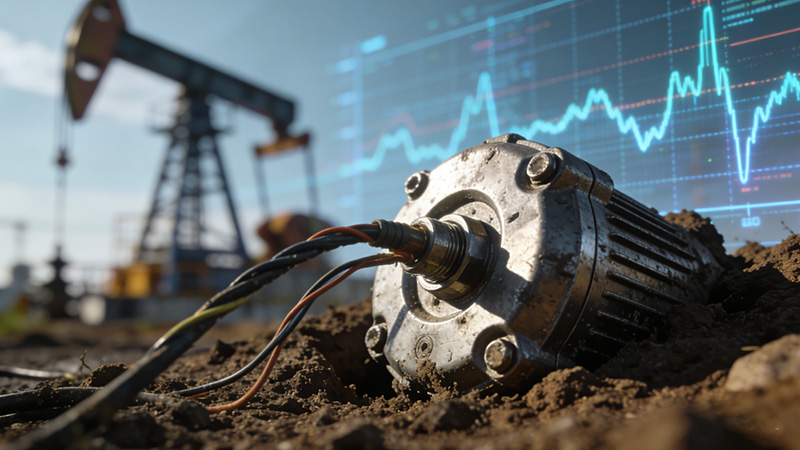
Geophones are also essential for checking the physical health of a dam foundation. Industry studies featured in Water Power Magazine highlight how researchers use geophones to detect a process called piping. This occurs when water leaks through tiny gaps in the dam foundation and creates subtle acoustic vibrations. High-performance geophones are sensitive enough to pick up these specific sounds while ignoring background noise like wind or traffic.
Scientists have used geophone arrays at major sites like the Tarbela Dam to monitor ambient vibrations. Every dam has a natural vibration frequency, which is much like a heartbeat. By monitoring this heartbeat over many years, engineers can tell if the structure is weakening. If that frequency changes significantly, it is a clear sign that the dam may have hidden internal damage that needs immediate attention.
Comparing Monitoring Needs
Different projects have different goals. The table below shows which type of geophone setup works best for each task based on real-world engineering cases:
| Monitoring Goal | Best Frequency | Why it Matters | Case Example |
| Microseismic Events | 0.75Hz to 5Hz | To catch very small rock movements. | Fluid injection sites (Hazzard et al.) |
| Leak Detection | 14Hz to 100Hz | To hear the high-pitched sound of flowing water. | Foundation piping in older dams |
| Tracking Fluid Movement | 10Hz | To see how oil or $CO_2$ moves over many years. | Sleipner $CO_2$ Storage Project |
| Dam Health Check | 0.75Hz to 5Hz | To measure the natural vibration of the structure. | Large-scale hydroelectric reservoirs |
Tracking CO2 and Fluid Movement
Carbon Capture and Storage (CCS) projects, the biggest challenge is making sure that the CO2 stays exactly where it was put. A famous example is the Sleipner project in the North Sea. Scientists like Dr. Erik Lindeberg have spent decades using long-term seismic monitoring to track CO2 plumes.By comparing seismic data from the same spot over several years, geophones allow scientists to see the movement of fluids underground. This method is called 4D seismic monitoring. This constant observation ensures that the overhead rock layers stay sealed and that the storage site follows environmental rules. This is the most reliable way to prevent leaks and ensure the project remains successful for the next generation.
Why Tough Hardware is Key
Since these monitoring systems need to stay underground for 10 or 20 years, the equipment must be incredibly tough. The geophones and the cables connecting them must survive constant water pressure and corrosive soil. Researchers in the field of permanent reservoir monitoring emphasize that coupling is the most important factor for data quality. Coupling refers to how well the sensor is physically attached to the ground. If a sensor becomes loose after five years, the data will no longer be accurate.
Conclusion
From preventing dam failures to helping with global carbon-neutral goals, geophones are the foundation of underground safety. By using high-quality sensors and following the monitoring frameworks developed by top scientists, operators can stop worrying about surprises and instead manage their risks proactively. This keeps our infrastructure safe and efficient for everyone.
More information
Low Frequency Geophone 1Hz: https://www.seis-tech.com/low-frequency-geophone-1hz-2/
Nodal Geophone 5Hz: https://www.seis-tech.com/land-cased-geophone-5hz/
Triaxial Geophone 4.5Hz: https://www.seis-tech.com/4-5hz-3c-geophone/
References
Hazzard, J. F., et al. (2023). Geomechanical Modeling and Seismic Monitoring of Fluid Injection. Virginia Tech – Geotechnical Engineering Report. [Source: vtechworks.lib.vt.edu]
International Water Power & Dam Construction (2021). Microseismic monitoring technique for dams and reservoirs. Analysis & Frameworks. [Source: waterpowermagazine.com]
Lindeberg, E., et al. Long-term monitoring of the Sleipner CO2 storage site using time-lapse seismic data.
SEG (Society of Exploration Geophysicists). Technical Standards for 4D Seismic Repeatability and Reservoir Surveillance.


